Editing clarifies the message
Most shoots capture more footage than the final video needs. A strong edit removes repetition, distractions, false starts, weak moments, and anything that pulls attention away from the point.
This is especially important for interviews, testimonials, clinic videos, corporate profiles, and service explainers. The viewer should not have to work to understand what matters.
Pacing keeps people watching
Good editing is not about cutting fast for the sake of energy. It is about giving the video the right rhythm for the audience and platform.
A homepage film may need a calm, confident pace. A social cutdown may need to move faster. A training or internal video may need more breathing room. Professional editing shapes that pace deliberately.
Sound and color affect trust
Viewers may forgive a simple setup, but weak audio can make even a well-shot video feel unprofessional. Editing includes sound cleanup, music balance, dialogue clarity, and mix decisions that help the message land.
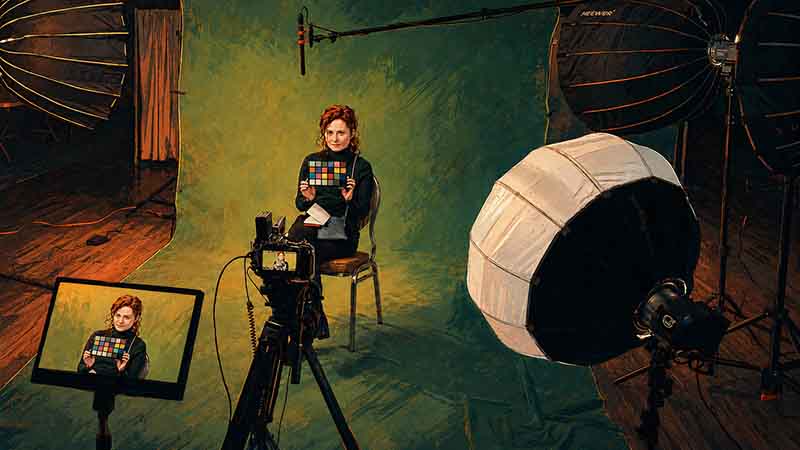
Color correction and grading also matter. They keep scenes consistent, make skin tones natural, and help the final piece feel like one finished brand asset instead of separate clips stitched together.
Different platforms need different edits
A single shoot can often support multiple versions: a main video, shorter social clips, vertical reels, presentation edits, website loops, and internal communication pieces.
Planning those versions in post-production helps a business get more mileage from the same footage without making every platform feel like an afterthought.
Post-production protects the investment
A professional edit saves time because the process is organized: selects, structure, first cut, revisions, finishing, export settings, and delivery.
For K&F clients, editing is part of the same calm production process. The goal is not only to make the video look good, but to make it clear, useful, and ready for real business use.