
Production Guide
How to Choose the Right Video Production Company in Toronto
Choosing a video production company should begin with the result your business needs, not with a camera package. This guide explains how to compare complete work, process, crew fit, audio, editing, rights, and accountability before you approve a quote.
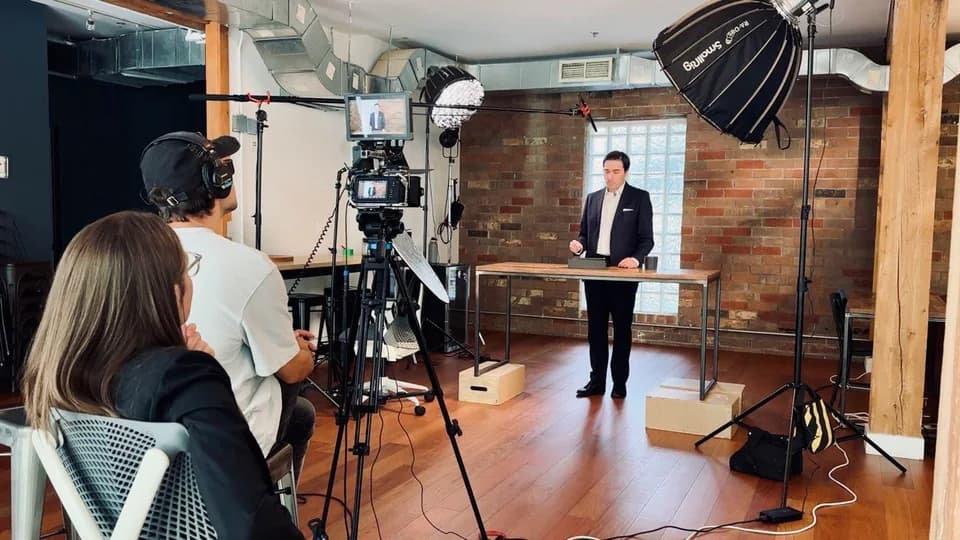
Toronto businesses can choose from freelancers, compact production teams, agencies, and large commercial crews. None of those models is automatically right or wrong. The best fit is the team whose experience, process, scale, and responsibility match the project in front of you.
01 / Define the Brief
Start with the business goal
A useful production conversation starts before anyone discusses cameras. Explain what must change after someone watches the video. Do you need a patient to feel comfortable booking a consultation, a buyer to understand manufacturing capability, a candidate to see the culture, or an executive audience to understand a new service? A clear outcome gives the production team a standard against which every creative and technical decision can be judged.
Goal
Decide whether the priority is trust, explanation, lead generation, recruitment, training, sales support, event coverage, or long-term brand visibility. One project can support several goals, but it still needs a primary one.
Audience
Identify the real viewer: patients, procurement teams, investors, employees, homeowners, professional partners, or the general public. Their knowledge and concerns should shape the language and pace.
Platform
Website, LinkedIn, YouTube, paid campaigns, presentations, onboarding, and vertical social feeds need different openings, lengths, framing, and exports. Delivery planning should happen before filming.
Desired result
Define a practical signal of success: more qualified inquiries, clearer sales conversations, fewer repeated explanations, stronger recruitment, or a reusable content library for the next campaign.
02 / Right-Sized Production
Match the crew to the complexity
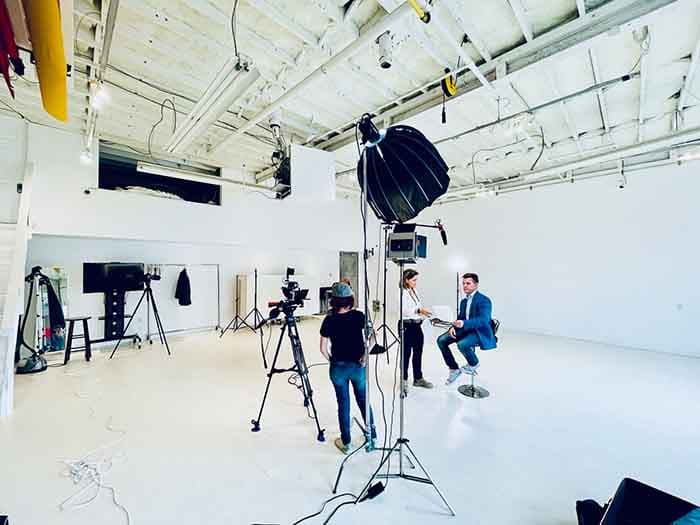
Company size is not the same as production complexity. A large organization may need one well-planned executive interview, while a smaller brand may be producing a commercial with actors, multiple locations, art direction, and a substantial lighting build. Ask why a proposed crew has its particular size and what each person will contribute.
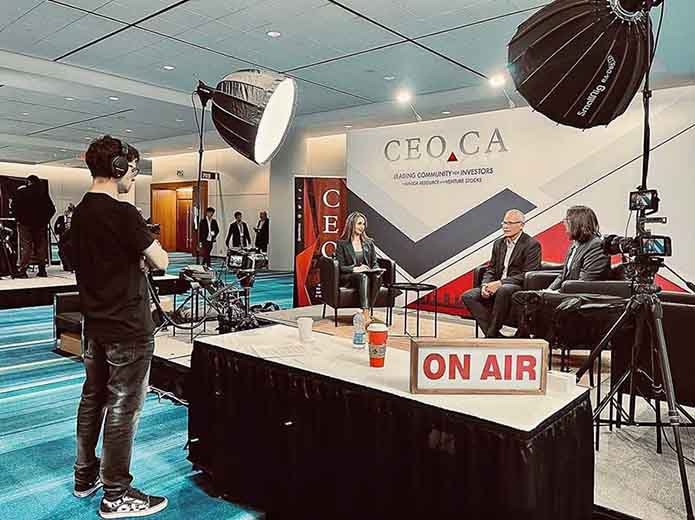
Large crews are appropriate for film, major commercials, actor-led scenes, extensive set design, complex lighting, and productions where departments must work in parallel. For a normal corporate interview, medical profile, industrial story, podcast, or testimonial, an experienced two- or three-person team can often achieve the required production quality with less production overhead because the workflow is focused and responsibilities are clear.
- 1-2 people: a focused interview, testimonial, or social content session.
- 2-3 people: corporate interview plus B-roll, medical, industrial, or podcast production.
- 4-6 people: complex commercial work, actors, extensive lighting, or art direction.
- Larger crews: film, major commercials, and productions with several departments.
03 / Portfolio Review
Look Beyond the Demo Reel and Review a Complete Project
A demo reel is an introduction. It can reveal visual taste, camera movement, and the general level of finish, but it cannot show whether a complete story holds attention, whether interview audio remains consistent, or whether the same care continues between the strongest shots.

Use the complete project here to assess how the company and its expertise are introduced, whether interview answers build logically, and how B-roll makes technical work understandable. Quality should remain consistent across the whole piece, not only during a few attractive moments.
- Does the opening establish the business and audience quickly?
- Do interview answers create a clear beginning, middle, and end?
- Do lighting, colour, graphics, audio, and pacing remain consistent?
- Does the call to action feel connected to the story rather than added later?
04 / Trust Signals
Real video testimonials show more than written reviews
Written reviews remain important. They are easy to scan, useful on search platforms, and valuable when several clients describe a consistent experience. Video adds a different kind of evidence: viewers see a real business owner or client, hear the person’s voice and tone, and understand the context behind the recommendation.
When evaluating a production company, look for genuine video testimonials from identifiable clients rather than a page made only of anonymous quotes. Notice whether the speaker sounds comfortable and specific, and whether the edit preserves the person's meaning and natural language rather than making every response feel like an advertisement.
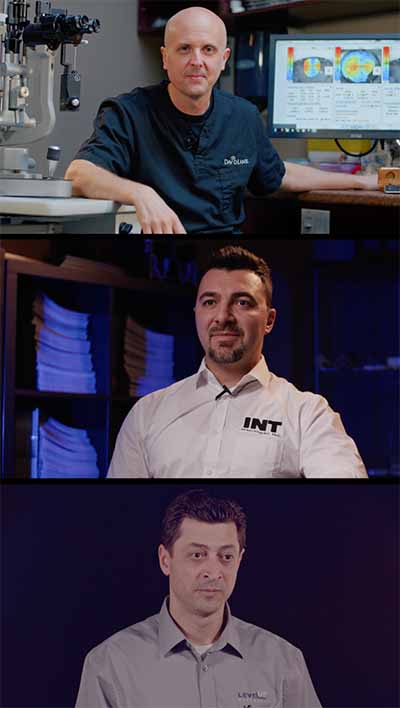
A genuine client testimonial should reflect the client's own experience and opinions. The production team can create a comfortable setting and ask clear, open-ended questions, but it should not script the praise or tell the client what to say. The strongest testimonials sound natural because the speaker is responding in their own words.
See Verified Client Reviews05 / Quality Checklist
How to evaluate the work itself
Review several projects with headphones and without skipping ahead. Good work is a combination of storytelling, consistency, technical control, and a process that helps real people communicate clearly.
Interview quality
Do subjects sound natural and specific? Strong interview direction helps people feel comfortable, understand the process, and express their own ideas clearly without sounding memorized or over-rehearsed.
Storytelling
Can you understand the business, problem, process, and value without extra explanation? The edit should guide attention instead of merely assembling attractive shots.
Lighting and consistency
Skin tones, products, and locations should look intentional across angles. Lighting should support credibility and mood without distracting from the person or service.
Audio
Listen for clean dialogue, controlled room noise, balanced music, and consistent levels. Audio problems often reveal rushed planning more quickly than the image does.
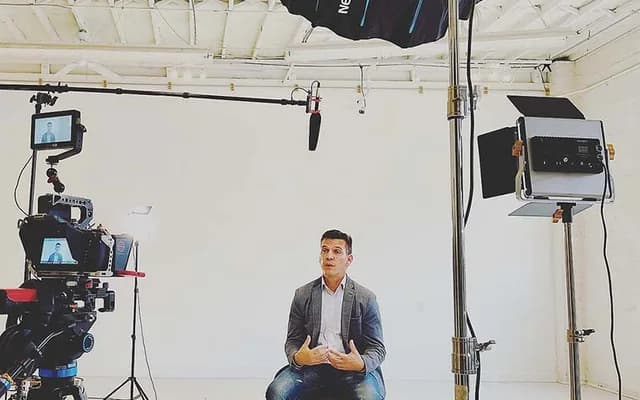
Many business owners, doctors, executives, and employees are not trained presenters. A strong production team helps them feel comfortable, explains the process, and uses clear follow-up questions to help them express their own ideas naturally. Before filming, the team can review the key topics, explain where to look, and help the speaker find a comfortable pace without asking them to memorize lines. During the interview, thoughtful prompts and small adjustments to posture, eyeline, and delivery can make the conversation clearer while keeping the speaker's own words and personality intact. The final edit should remove unnecessary pauses and repetition without changing the meaning or making the answers feel scripted. Professional interview direction should improve clarity and confidence without telling the person what to say.
See K&F Interview-Driven Projects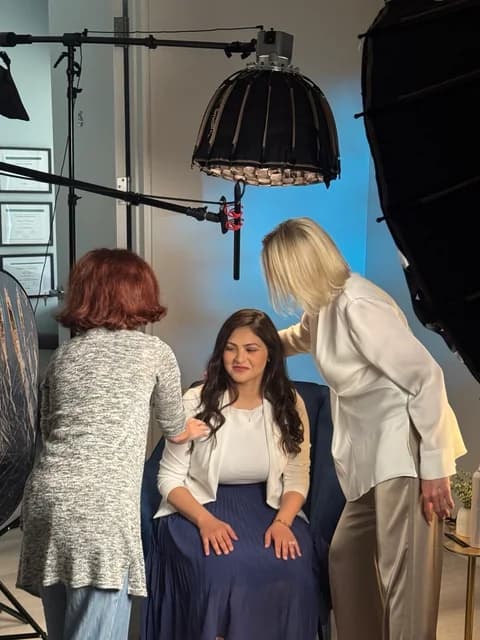
Clear audio matters as much as strong visuals
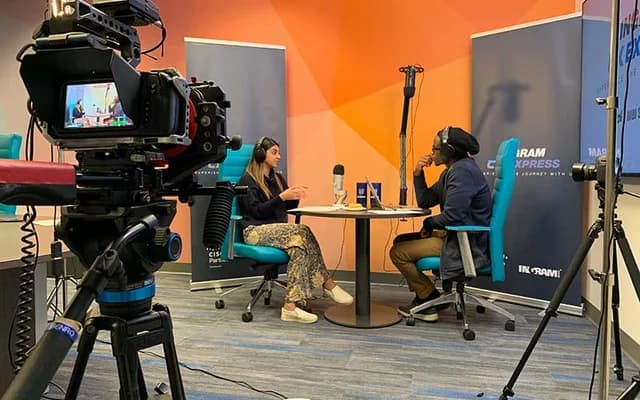
A modern camera can create a beautiful image, but viewers leave when dialogue is difficult to understand. Air conditioning, machinery, reflective rooms, clothing, street noise, and multiple speakers all need a practical microphone, monitoring, and backup plan.
Post-production can reduce some noise and balance levels, but it cannot reliably rebuild words that were never recorded clearly. Review sample work with headphones and listen for natural dialogue, controlled room tone, balanced music, and consistent levels between speakers.
06 / Sensitive Locations
Work efficiently with busy professionals
Doctors, executives, lawyers, owners, engineers, and factory teams often have limited time. A production company should arrive with a realistic schedule, prepared questions, a shot list, confirmed access, and a clear understanding of who can approve decisions. That preparation protects both the client’s day and the quality of the final material.
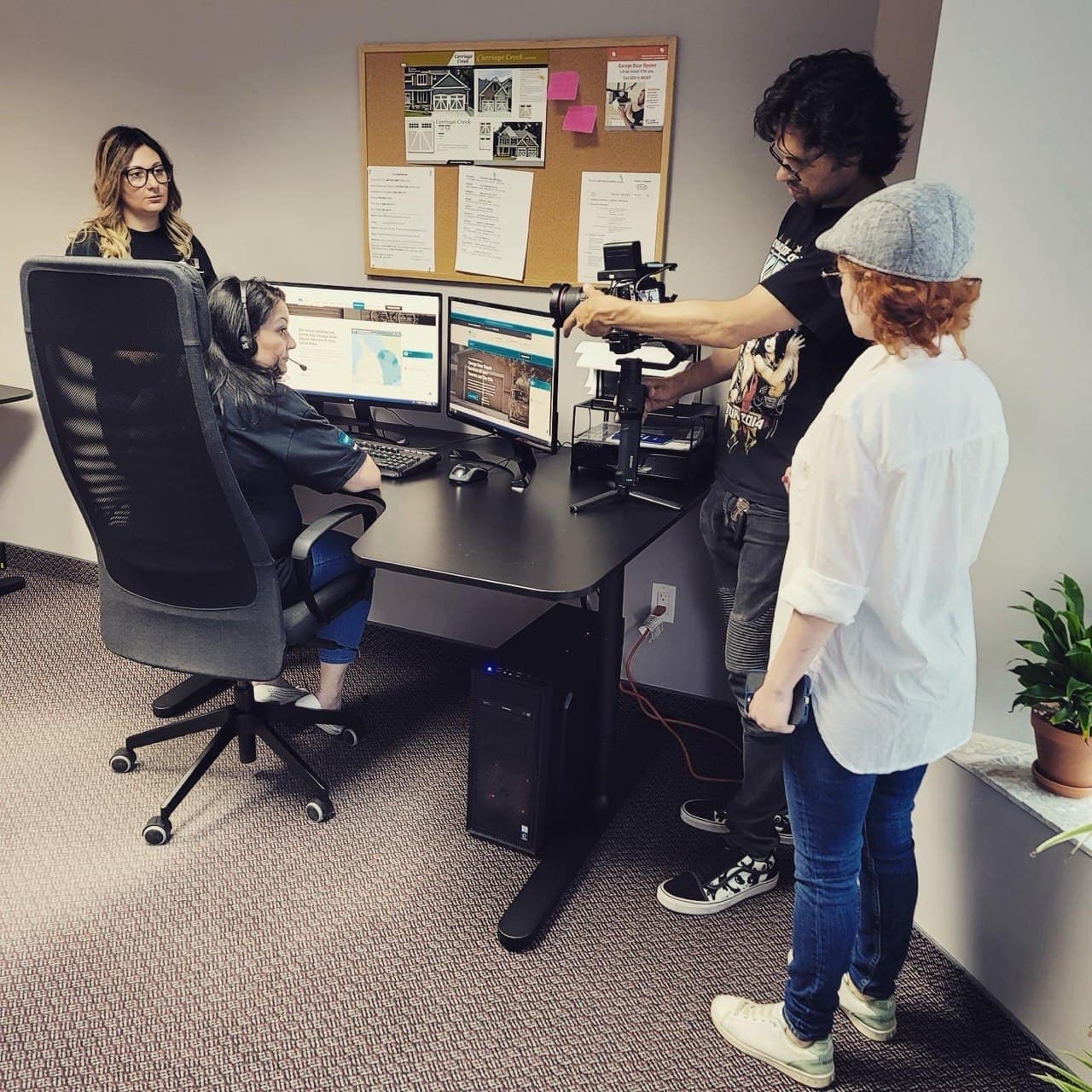
In offices, clinics, operating rooms, factories, and compact locations, a right-sized crew creates practical advantages: less disruption, fewer people in the room, faster coordination, lower stress for interview subjects, and clearer responsibility. Equipment still needs to be appropriate, but the footprint should respect the workplace.
Medical and industrial environments also require careful planning around privacy, safety, infection-control rules, personal protective equipment, operating schedules, machinery, and client approvals. Ask how the team will manage those constraints before production day.
07 / Adaptability
A diverse portfolio can be a strength
Adaptability is especially valuable when a business has complex services or technical subject matter. A capable production team does not pretend to know every industry before the first call. It asks focused questions, learns the language, identifies what viewers need to understand, and works with internal experts to verify accuracy.
Corporate, medical, industrial, construction, legal, financial, IT, podcast, and event projects each place different demands on a crew. Consistent work across those categories suggests that the fundamentals - planning, interviewing, visual control, audio, communication, and editing - can travel from one environment to another.
The useful question is not only “Have you filmed a company exactly like ours?” Ask, “How would you learn our business, prepare our people, and turn a complex service into a clear story?” The answer reveals more than a matching logo in a portfolio.
08 / Project Examples
Compare corporate, medical, and industrial examples
Different environments test different parts of a production process. The complete corporate project above demonstrates story structure, while the examples below show how a team handles a technical workplace and a sensitive healthcare story without losing clarity or tone.
Industrial and corporate process coverage
The INT project presents machinery, workplace process, and service expertise with clear, organized coverage that helps viewers understand the company's capability and professionalism.
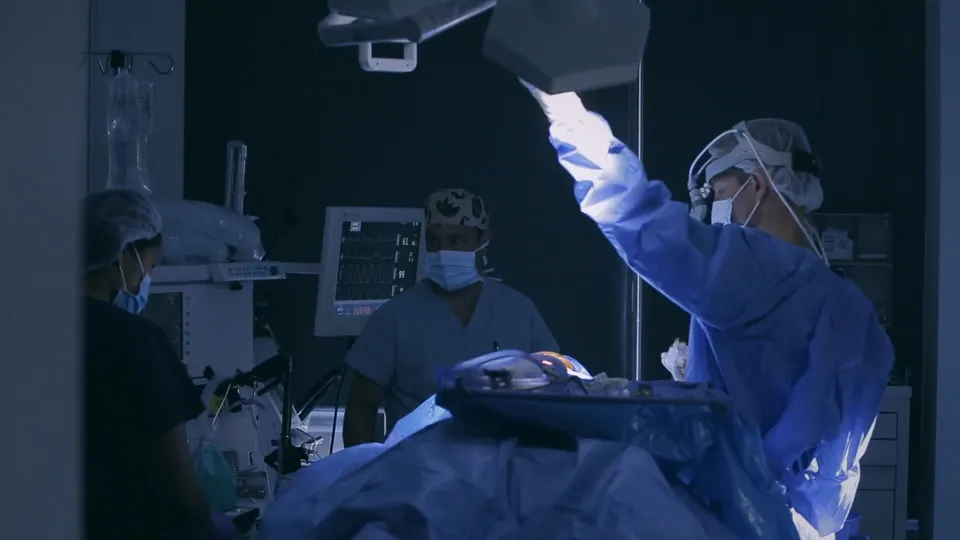
Documentary-style medical patient story
Tricia's story follows a real patient journey for Dr. Cory Torgerson, combining personal interview material with real surgery and operation footage to explain the experience with clarity, sensitivity, and trust.
09 / Responsibility
Know who films, edits, manages revisions, and keeps the project on schedule
Outsourcing is not automatically a problem. Many strong productions use trusted specialists. The client should still know who edits, who controls quality, who collects feedback, who manages revisions, who is responsible for the schedule, and who is accountable if priorities change.
One accountable Toronto-based team managing production and post-production can make communication simpler. Context from the planning call and filming day carries into the edit, feedback does not need to pass through several layers, and responsibility remains visible. When fewer core people manage the complete project, it is often easier to identify who has the answer and who must make a decision.
Meet the K&F Production TeamAsk who will be in the room
Confirm the producer, director, camera, audio, and support roles. If the people on the sales call will not attend, ask when you will meet the actual production team.
Ask who will edit
Understand whether editing is handled internally or by a partner, who briefs the editor, and who checks story, brand, captions, colour, sound, and export quality before you receive a cut.
Ask who manages feedback
A clear review method prevents conflicting notes and missed changes. One person should confirm which comments are included and when a revision round is complete.
Ask who is responsible for the schedule
The schedule should name client approval points and production milestones. If a deadline depends on feedback or access, that dependency should be clear before work begins.
10 / Compare Scope
What a professional quote should include
A quote should be detailed enough to compare responsibility, not just totals. It does not need to expose every internal cost, but it should explain what is being planned, captured, edited, delivered, and excluded. A lower number may reflect a narrower scope rather than better value.
| Scope item | What should be clear | Question to ask |
|---|---|---|
| ProductionPre-production | Creative direction, discovery, scheduling, questions, shot planning, and approvals. | What preparation is included before the shoot? |
| ProductionCrew size | Number of people, their roles, and why that scale suits the project. | Who will attend and what does each person manage? |
| ProductionCamera and lighting | Appropriate camera coverage, lenses, support, lighting, and location requirements. | How will the setup work in our space? |
| ProductionAudio | Microphones, recording approach, and any location sound limitations. | How will dialogue be recorded and monitored? |
| ProductionTravel and setup | Travel area, parking, permits, overtime, setup, teardown, and location fees. | Which location costs could be added later? |
| Post-ProductionEditing | Number and length of edits, graphics, colour, sound, captions, and export formats. | What exactly will the first cut contain? |
| Post-ProductionRevisions | Number of included rounds, feedback process, and pricing for additional changes. | What counts as one revision round? |
| Delivery & RightsMusic licensing | Whether licensed music is included and where the final video may be used. | Does the licence cover our intended platforms and ads? |
| Delivery & RightsVertical versions | Whether 9:16, 1:1, captions, hooks, and social cutdowns are separate deliverables. | Are social versions reframed or only cropped? |
| Delivery & RightsDelivery timeline | Rough cut date, review windows, final delivery, and client dependencies. | What must we approve to keep the timeline? |
| Delivery & RightsOwnership | Final-file rights, usage limitations, raw footage, project files, and third-party assets. | What do we own and what remains licensed? |
| Delivery & RightsArchive policy | How long footage and project files are retained and the cost of future retrieval. | How long will project files be retained, and what should the client archive? |
11 / Post-Production
A clear editing workflow protects the project
Post-production is where raw material becomes a focused business story. Ask for the workflow before filming so your team knows when feedback is needed and what level of finish to expect at each stage.
- Backup: footage and audio are copied and verified before editorial work begins.
- Organization: interviews, B-roll, audio, graphics, releases, and notes are labelled for efficient access.
- Rough cut: the editor builds the story and core pacing before final polish.
- Review: the client evaluates accuracy, messaging, structure, names, and brand details through one clear feedback channel.
- Revisions: approved notes are consolidated and applied within the agreed number of rounds.
- Colour and sound: shots are balanced, dialogue is cleaned, music is mixed, and levels are prepared for delivery.
- Graphics and captions: titles, names, logos, calls to action, and accessibility captions are checked.
- Final exports: master files are produced for the website, presentations, YouTube, social media, and any paid placements.
- Social versions: selected edits are reframed and paced for vertical or square use when included.
- Archive: the agreed footage and project materials are retained according to the documented policy.
12 / Rights and Reuse
Clarify usage, ownership, and future versions
Ownership is only one part of the rights discussion. Music, stock footage, talent, locations, fonts, and licensed graphics can each have usage conditions. Tell the production company whether the video will appear organically, in paid advertising, on broadcast, at events, or through partners so the correct licences can be selected.
Confirm whether raw footage is included, available for an extra fee, or kept only for archive. Raw camera files are not the same as an editable project: organized timelines, linked media, graphics, fonts, and licensed assets may have separate conditions. If you expect future versions, translations, new calls to action, or updated staff details, discuss that need early so the project can be organized for efficient reuse.
13 / Red Flags
Questions That Deserve a Clearer Answer
These points become important once the project moves beyond an initial inquiry. A production company may not provide every detail when a client is only asking for a general price range or exploring options. However, once the client is seriously considering the company and requests a formal proposal or final quote, the scope, responsibilities, deliverables, revisions, rights, timeline, and total cost should be clearly explained.
At that stage, the following points deserve a clear answer before the project is approved:
- Only a short showreel is available, with no complete projects or case studies to review.
- Client reviews, testimonials, case studies, or named projects cannot be independently verified.
- A formal quote is provided without first clarifying the project goal, audience, platform, location, timeline, and intended use.
- It is unclear who will plan, film, edit, manage feedback, and remain accountable for the final deadline.
- The quote does not clearly define deliverables, filming time, post-production, travel, additional costs, and exclusions.
- The number and scope of included revision rounds are not defined.
- Usage rights, music licensing, ownership of the final files, raw footage, and future versions are not clearly explained.
- A larger crew or expensive equipment package is proposed without a practical explanation of why it is needed for the project.
- The promised turnaround does not match the project scope or leaves insufficient time for client review and approvals.
14 / Decision Checklist
Before you choose the production team
Use this final check after calls and proposals. A confident answer does not need to be complicated; it should be specific enough that your team knows what will happen next.
- Our primary goal, audience, platform, and desired result are documented.
- We reviewed complete projects, not only a highlight reel.
- The team can explain how it will learn our business and prepare our people.
- The proposed crew size matches the real complexity and location.
- The approach to interviews, lighting, and sound is clearly explained.
- We know who will film, edit, manage feedback, and be responsible for the schedule.
- The quote identifies deliverables, schedule, revisions, licensing, and exclusions.
- Vertical, captioned, short, and platform-specific versions are defined where needed.
- Final ownership, raw footage, project files, and archive terms are understood.
- The communication style feels direct, organized, and realistic.
15 / Frequently Asked Questions
Frequently Asked Questions About Hiring a Video Production Company in Toronto
How do I choose a video production company in Toronto?
Start with your business goal, audience, platform, and desired result. Then compare complete projects, interview and audio quality, planning process, communication, editing workflow, quote detail, revision terms, rights, and accountability rather than choosing from a showreel alone.
Does a production company need experience in my exact industry?
Exact industry experience can be helpful, especially in regulated or technical locations, but it is not the only sign of fit. A diverse, consistent portfolio can demonstrate adaptability, strong interview direction, and the ability to understand unfamiliar businesses quickly.
How large should a corporate video crew be?
Crew size should match project complexity. One or two people can cover a focused interview or testimonial, two or three can handle an interview plus B-roll, medical, industrial, or podcast production, and larger crews are appropriate for complex commercials, actors, art direction, film, and major productions.
What should a professional video production quote include?
It should clearly describe pre-production, crew, equipment, production time, audio, lighting, editing, revision rounds, graphics, captions, music licensing, travel, deliverables, vertical versions, timeline, ownership, raw footage, and archive policy where relevant.
How much does video production cost in Toronto?
Video production cost depends on filming duration, crew size, locations, number of interviews, B-roll requirements, graphics, deliverable versions, revision rounds, travel, and the required deadline. A professional quote should separate those scope decisions clearly instead of relying on one universal price.
How long does a corporate video project take?
A corporate video project moves through planning, filming, the first cut, client feedback, revisions, colour and sound finishing, and final delivery. The schedule depends on project complexity, access, approvals, and response time, so the production company should provide milestones rather than promise one universal timeline.
Why are video testimonials useful for businesses?
Written reviews remain important, but video testimonials let prospective clients see a real person, hear their voice and tone, and understand the context behind the experience. That combination can make trust more immediate and credible.
Is outsourced editing a red flag?
Not automatically. The important questions are who edits, who controls quality, who manages revisions, who owns the deadline, and who is accountable if something changes. Clients should know where responsibility sits throughout post-production.
What rights should I clarify before production?
Confirm usage rights, music licensing, talent or location permissions, ownership of final files, whether raw footage is included, how future versions are handled, and how long project files are archived. These details should be agreed before filming.
16 / Why K&F
One Toronto Team From Planning Through Delivery
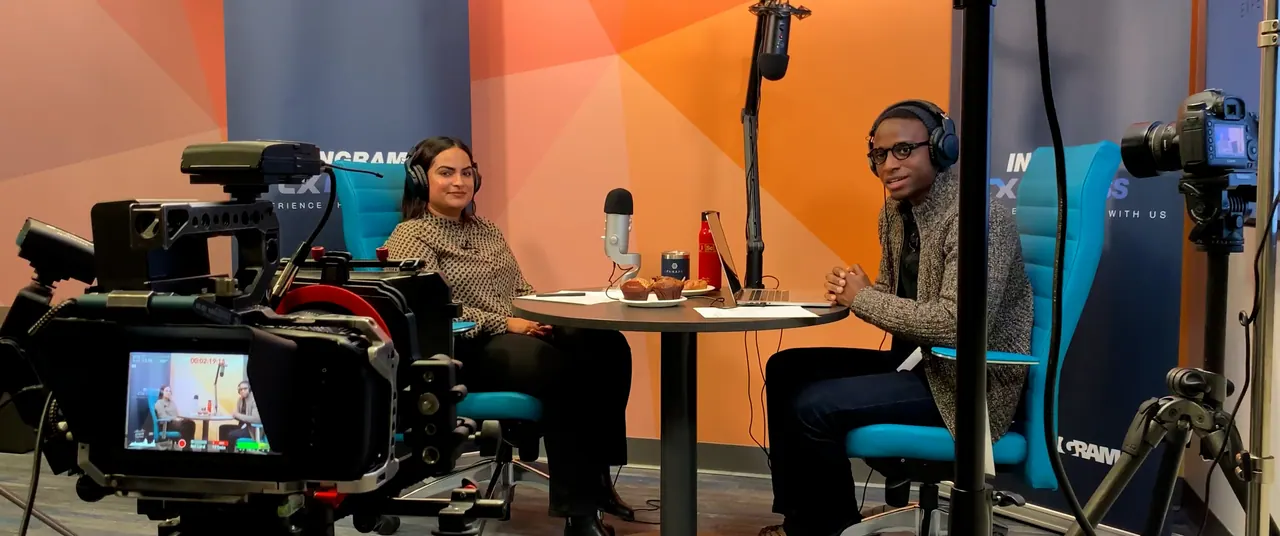
K&F Video Production is a Toronto-based team serving businesses across the GTA and beyond. We are built around direct client communication, a compact experienced crew, and one organized production and editing workflow. Our broad experience includes corporate, healthcare, industrial, construction, professional-service, testimonial, interview, podcast, and event work. Clients can review complete projects and real testimonials, then work with the same accountable core team from planning through delivery.